Blog ·
Understanding the Solar Installation Process
Installing residential solar panels involves multiple stages that transform your home into a renewable energy producer. Understanding each phase helps you know what to expect and prepares you for the transition to solar energy.
Initial Site Assessment
The process begins with a thorough evaluation of your property. Professionals measure roof dimensions, evaluate structural integrity, assess electrical systems, and document site conditions. This assessment determines system size recommendations and installation feasibility. They examine roof material, pitch, and condition to ensure proper mounting and longevity.
System Design and Planning
Based on your site assessment and energy needs, engineers design a customized solar system. This design specifies panel quantity, inverter selection, mounting configuration, and electrical layout. The design maximizes efficiency while ensuring the system meets building codes and safety standards. You review and approve the design before proceeding.
Permits and Approvals
Solar installations require building permits and electrical permits from local authorities. Your solar company typically handles permit applications and coordination with inspectors. This process varies by location but ensures installations meet safety codes and zoning requirements. Permit timelines vary, but most jurisdictions process them within two to six weeks.
Equipment Ordering and Scheduling
Once permits are approved, equipment is ordered. Installation scheduling follows equipment arrival. Installers coordinate timing to minimize disruption to your daily life. You'll receive notification of your scheduled installation date.
Installation Day
Professional installers begin by preparing the roof, installing mounting hardware, and securing panels. Electrical components including the inverter are mounted and connected. Installers run conduit and wiring according to code requirements. Most residential installations complete within one to three days, depending on system size.
Inspection and Activation
After installation, local electrical inspectors verify the work meets code requirements. Once inspection passes, your utility company installs a new meter and completes interconnection procedures. Your system then becomes active and begins generating electricity.
System Monitoring and Training
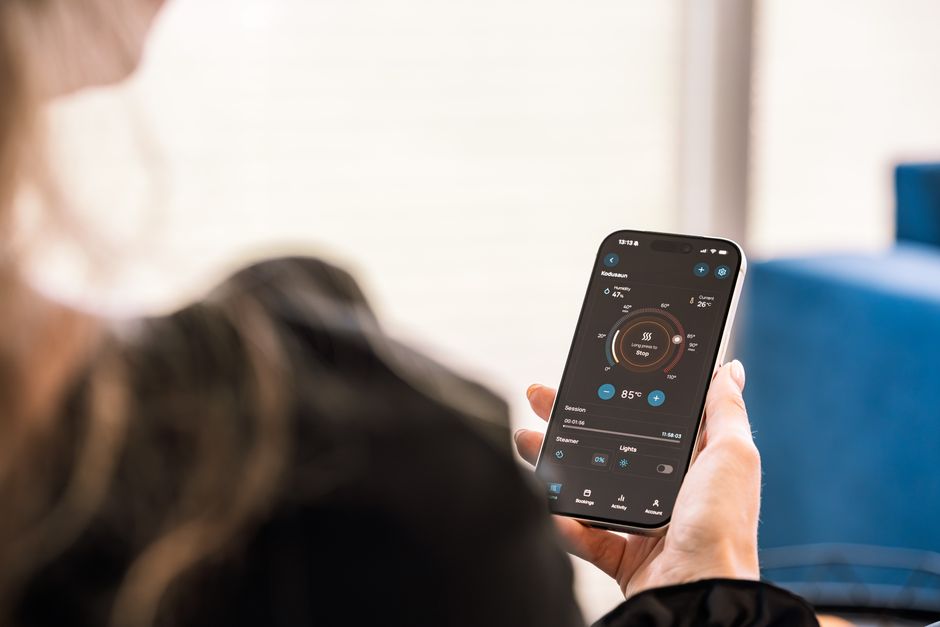
Your solar company provides instruction on system monitoring tools and maintenance requirements. Modern systems include apps or online portals where you track energy production and performance.
Understanding these stages helps you prepare for installation and appreciate the careful process that transforms your home into an intelligent solar energy producer.