Blog ·
Maximizing Your Solar System's Efficiency
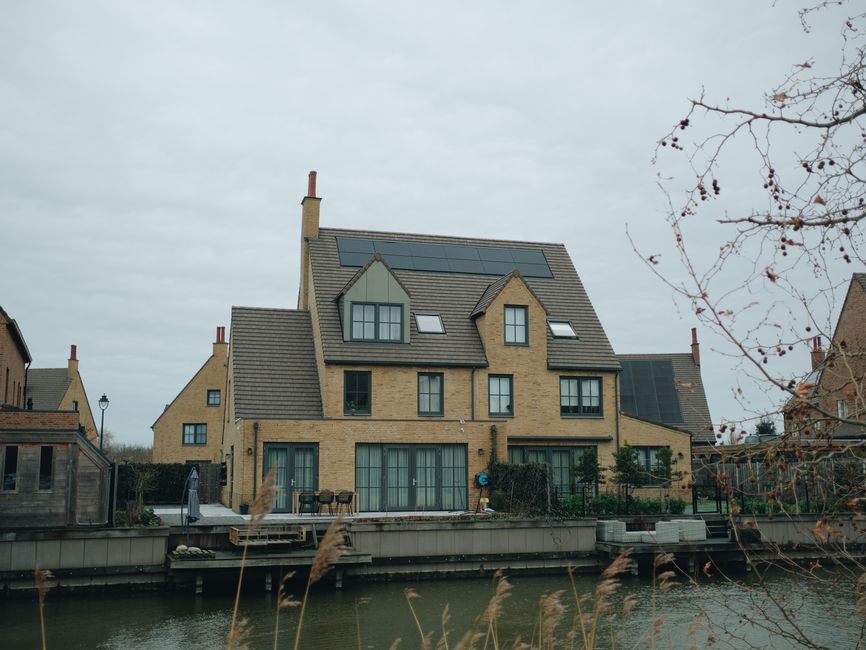
After your residential solar panels are installed and generating electricity, maintaining and optimizing your system ensures peak performance throughout its lifespan. Simple practices help your solar investment continue delivering maximum benefits for decades.
Regular Cleaning and Inspection
Dust, leaves, bird droppings, and other debris reduce sunlight penetration to your panels. Regular cleaning maintains optimal energy production. Most installations need cleaning one to four times yearly, depending on your environment. Inspect panels periodically for damage, corrosion, or loose connections. Professional cleaning services understand proper techniques that protect panel surfaces.
Monitor System Performance
Use your monitoring app or online dashboard to track daily production. Significant drops in output indicate potential issues requiring attention. Most modern systems include performance monitoring that alerts you to abnormalities. Regular monitoring helps identify problems early before they impact your energy generation.
Maintain Proper Ventilation
Solar panels perform best when air circulates beneath them, allowing heat to dissipate. Ensure roof ventilation remains unobstructed. Proper airflow improves panel efficiency, especially during hot weather when temperatures significantly reduce solar cell output.
Trim Surrounding Vegetation
Trees and vegetation can shade panels as they grow and change seasonally. Trim branches that block sunlight from reaching your array. Check surrounding properties for trees growing taller that might create future shading issues.
Protect from Weather Damage
Ensure your system can withstand your region's weather conditions. High winds, hail, and heavy snow can damage panels or mounting equipment. Quality installations are designed for your area's typical weather challenges, but inspect your system after severe storms.
Schedule Professional Maintenance
Annual professional inspections identify potential issues early. Technicians check electrical connections, inverter functionality, and structural integrity. This preventive approach keeps your system operating optimally and extends equipment lifespan.
Protect Your Inverter
Your inverter converts DC electricity to usable AC power. Keep the area around it clear of debris and ensure proper ventilation. Inverters typically last 10 to 15 years and may require replacement during your system's 30-year lifespan.
Consistent maintenance maximizes your residential solar system's efficiency and ensures it continues providing clean, renewable energy for your home. Simple attention to these practices protects your investment and maintains optimal performance.